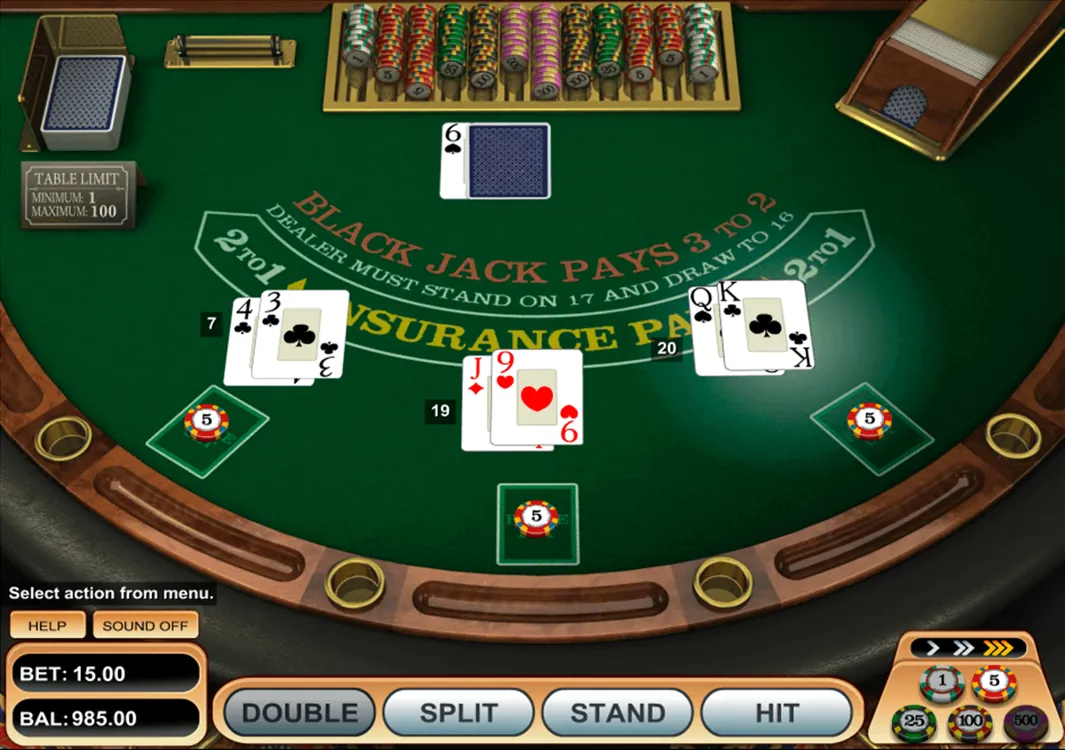
A live dealer blackjack table combines a physical card game with an online interface. To follow a round confidently, keep track of three things separately: the cards on screen, the choices available to you and the status of your bet. The layout varies between games, so take a moment to learn the controls before joining a hand.
Before the first deal
Open the table information and check the rules, minimum and maximum stakes, and any optional bets. Confirm which blackjack version is being played: rules such as how the dealer handles a soft 17, whether doubling is restricted, and how a tie is settled can differ. A familiar-looking table does not guarantee familiar rules.
Then inspect the controls. Find the main betting area, any separate side-bet areas, the chip or stake selector, and the button used to confirm a bet. Look for the displayed betting period and the table’s minimum and maximum. If you are unsure what a control does, check the help panel rather than testing it with a wager.
For a refresher on hand values and common blackjack choices, see our blackjack basics guide.
Read the table in three passes
1. Identify your hand and the dealer’s card
Once the cards are dealt, first locate your own hand and the dealer’s visible card. If there are several player positions on screen, check that you are reading the position attached to your bet. A graphic may show cards being dealt across the table, but only your own hand determines the decisions offered for your position.
2. Check the available actions
The interface usually presents actions when it is your turn. Their availability depends on the game’s rules and your hand, so you may not see every possible option. Read the labels rather than relying on where a button appeared in a previous game. If a choice is unclear, pause to consult the table help when possible; do not assume that a highlighted button is a recommendation.
A round can move quickly. Decide in advance that you will act only when you understand the prompt. If the timer is running down and you are unsure, avoid clicking a control simply to keep up. The game’s help or rules section should explain what happens if a decision is not made in time.
3. Verify the result and your balance
After the dealer completes the hand, look for the outcome shown for your position and check how the bet is displayed as settled. Do not judge the result solely from a brief animation: wait until the game and account balance have updated. If the cards, result or balance appear inconsistent, note the round details and use the operator’s support process instead of placing another bet to compensate.
Keep side bets and main bets distinct
Side bets are separate from the main blackjack hand. They may have different conditions and payouts, and the fact that a side bet is displayed beside the main betting area does not make it part of the same decision. Before selecting one, read its specific rules and confirm the amount being placed. If the information is not clear, stick to understanding the main game rather than guessing.
When the stream or interface stalls
A video delay can make the table feel out of step with the controls. Avoid refreshing, changing stakes or repeating a click until you know whether your action registered. Check the game’s status message and account history, then follow the site’s stated instructions. Different platforms handle interruptions differently, so an assumption based on another table may be wrong.
If you are choosing a platform, check that its game rules, account controls and support information are easy to find; this online casino checklist covers practical questions to ask before registering. If you play on a phone, review the display and controls before relying on them during a live round, using our mobile casino app checklist as a starting point.
A simple pre-round check
- Read the table’s blackjack rules and limits.
- Locate the bet controls and distinguish main bets from side bets.
- Confirm which cards and prompts belong to your position.
- Wait for the hand and account display to settle before taking further action.
The screen is there to present the game, but its layout is not a substitute for the rules. A short check before the deal makes it easier to follow each decision and spot when you need clarification.